

Deciphering the history of a used car to understand past defects and predict future ones is quite a challenge. But this can be made easier when the search is for a car with no history of defects.
Yes, they exist. Below, we’ve selected 10 used cars known for not causing headaches for their owners and for handling the harsh conditions of Brazilian roads well.
Of course, no car is perfect, but these have few defects, and those that they usually have are easily noticeable, difficult to conceal, and not usually expensive to fix.
Fiat Palio Fire

The Fiat Palio was a modern car when it was launched in Brazil in 1996. It had airbags, a variety of 16V engines , a coded key, programmed deformation zones, and even a radio integrated into the dashboard, a luxury at the time. But as the years went by, the Palio gained simpler versions, while its design evolved and was validated in several aspects.

Regardless of the model year, a Fiat Palio Fire will be a simple car (with luck, it will have air conditioning, power steering, and front power windows), but robust. The 1.0 Fire engine, launched in Brazil in 2000, is robust and inexpensive to maintain. You only need to pay attention to cleaning the throttle body (TBI): dirt obstructs the pressure sensor and the car loses power.
It is also important to monitor the wear of the spark plugs, the condition of the coils, and the spark plug wires.
Hyundai HB20

It’s been 10 years since the Hyundai HB20 was launched in Brazil, and there haven’t been any major mechanical changes to date, especially in the 1.0 versions. Incidentally, this was the first three-cylinder 1.0 flex-fuel engine, boasting low fuel consumption and good performance. Furthermore, being a car manufactured only in Brazil, most parts are priced in line with the segment average.

It’s not a completely flawless car, however. There are many reports of inaccurate fuel gauge readings, faulty ignition coils that cause the engine to misfire, and especially issues with the rear suspension, which in the early years would sag even when the car was fully loaded, causing the suspension to bottom out while the Hyundai was in motion.
Toyota Etios

It’s not beautiful, but it’s a Toyota, and that alone justifies the Etios ‘ good reputation . It was a car created to be simple and inexpensive, but it didn’t sacrifice reliability to achieve its goals. It only lacked aesthetic appeal.

The main complaints about Toyota are about minor defects, such as noise in the trim and suspension, which can be resolved by replacing the bushings. There are problems with premature clutch wear , but only in units manufactured between 2012 and 2015, when the cable actuation was replaced by a hydraulic system.
Toyota Yaris
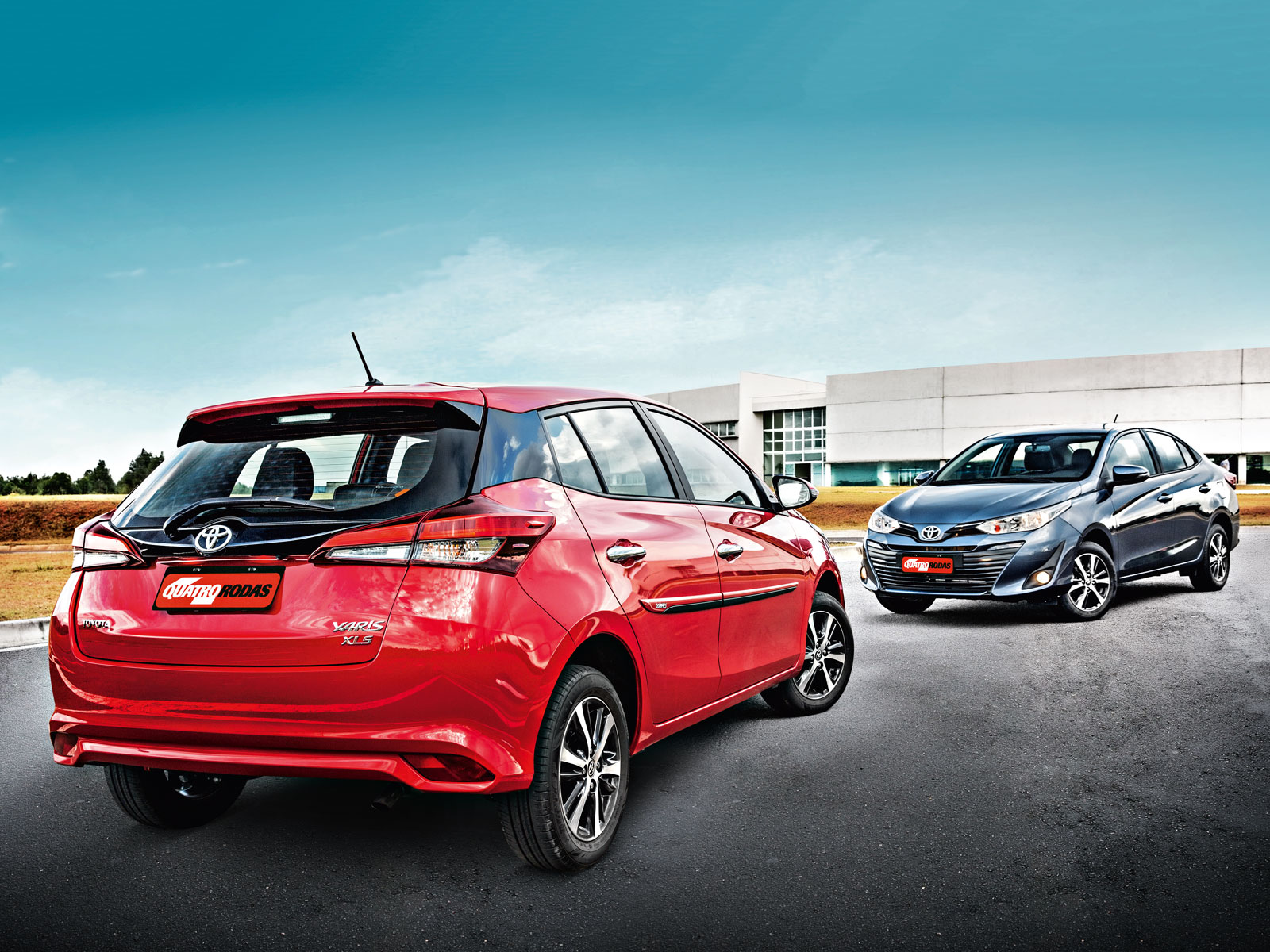
The Toyota Yaris shares the same qualities as the Etios. After all, it’s based on the same platform and uses the same 1.3 and 1.5 flex engines. But it’s more attractive, better equipped, and more modern.
Most complaints are cosmetic, related to wear and tear on the steering wheel and breakage of the engine cover. A more noticeable defect is related to alternator failure, leading to electrical malfunctions. But it’s not something that becomes chronic.
Chevrolet Onix (first generation)
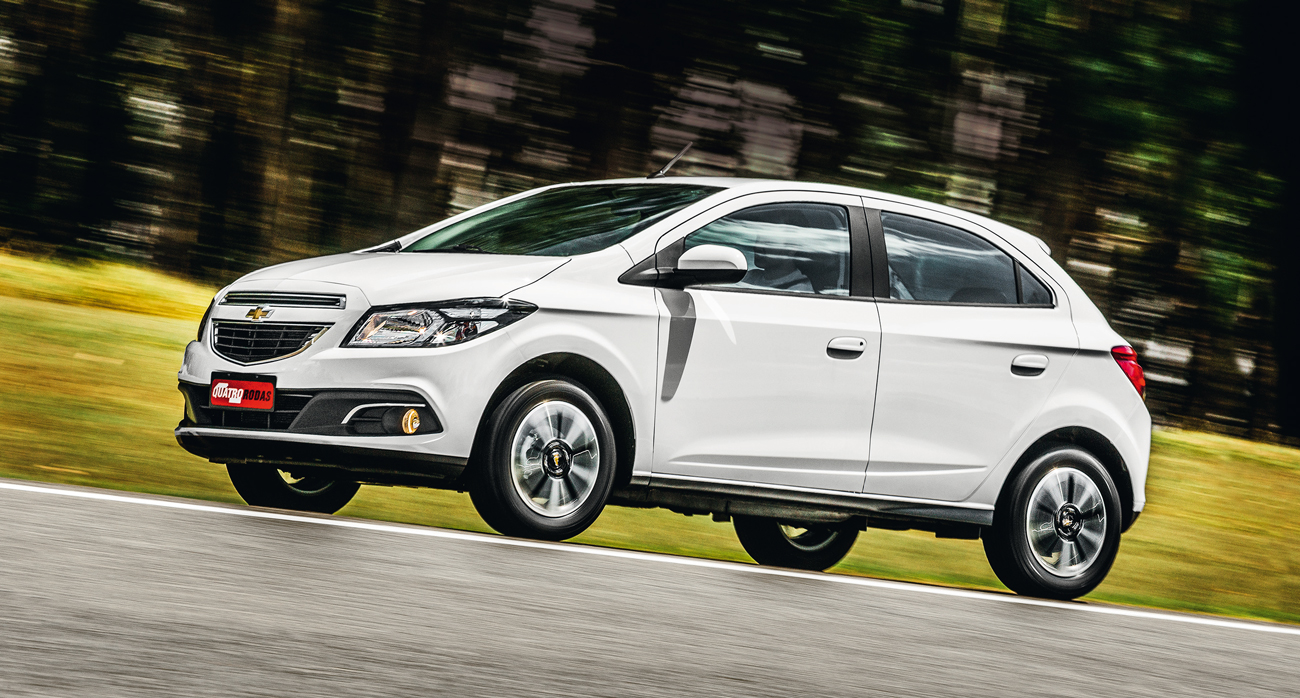
Sold in Brazil between 2012 and 2021, the first generation of the Chevrolet Onix has proven to be a robust and economical car over the last 10 years, making it one of the best resale-value used cars. Most importantly, you just need to choose well to buy a good Onix.
That’s because many Chevrolet units were either rental cars or used by ride-sharing drivers. In other words, they are cars with higher mileage and subjected to less than ideal conditions. But the car itself isn’t problematic.
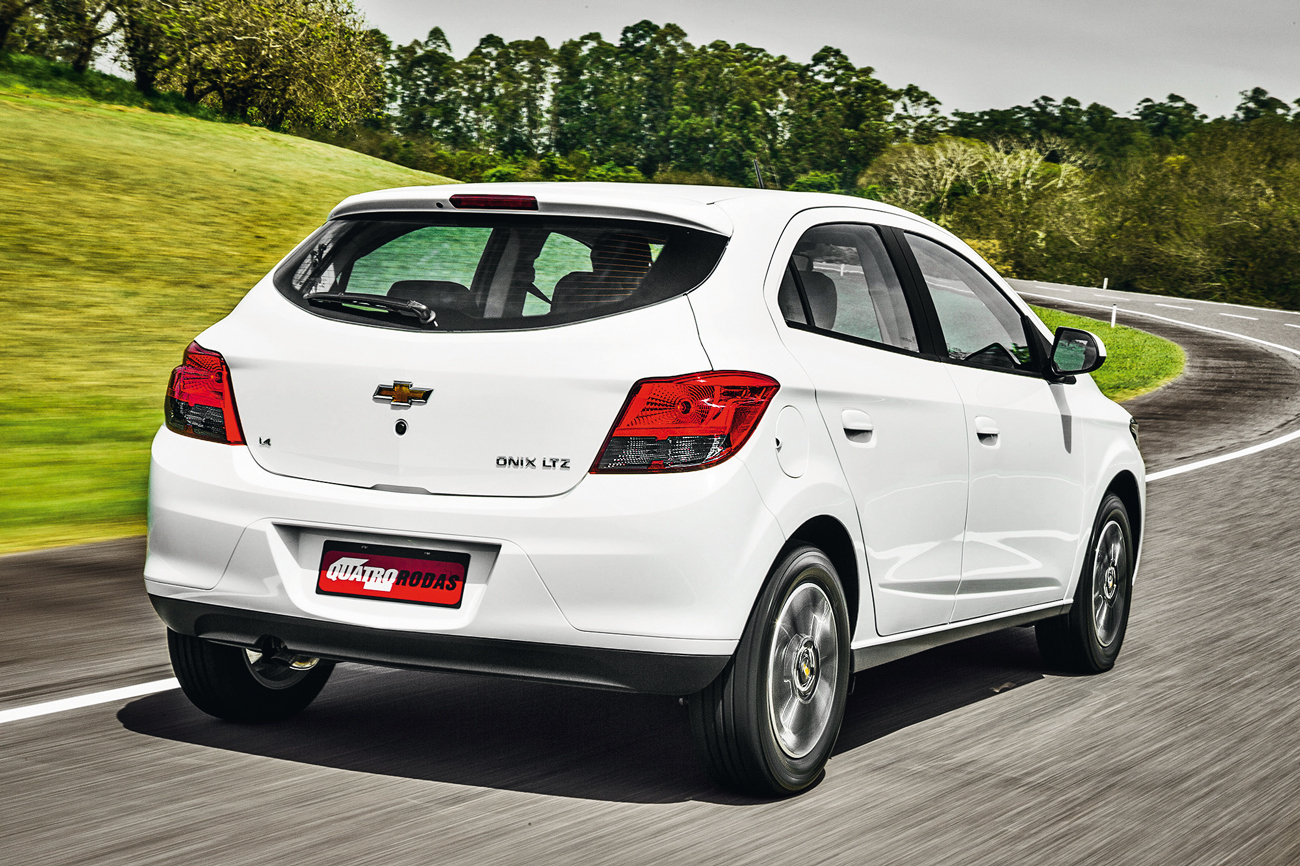
However, one must be attentive to premature wear of the clutch actuator , which ends up stiffening the pedal, and also to noises in the power steering system (2012 to 2016 units). The 1.0 and 1.4 four-cylinder engines are from the long-running Family 1, but modernized with a coil per cylinder, and do not have chronic problems.
Hyundai Creta

Perhaps the most expensive on the list, the Hyundai Creta remains an excellent buy on the used car market even when interior space and equipment package are secondary considerations. Incidentally, it was one of the most robust cars that has ever undergone our Long-Term Test .

However, it’s important to pay attention to the air conditioning system (the compressor seal may break and the system will stop working) and to a noise similar to a sewing machine in the 1.6 engine: this indicates that the variable valve timing system has lost valve synchronization, and this repair can cost over R$ 10,000.
Renault Logan/Sandero/Duster 1.6 MT (first generation)
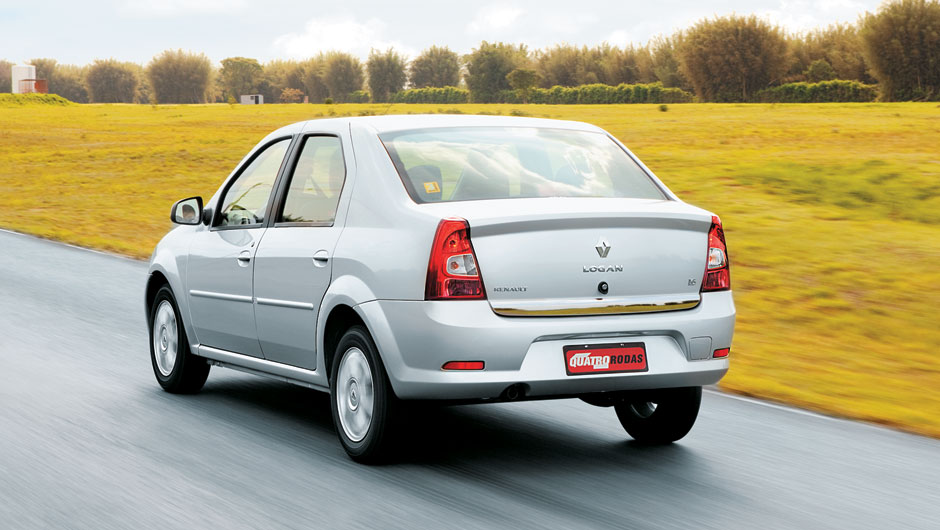
É uma escolha um tanto específica, mas desta forma elimina-se o baixo desempenho do motor 1.0 e também o câmbio automático de quatro marchas. E também a segunda geração, que teve problemas de desaparecimento do óleo do motor 1.6 16V fornecido pela Nissan – que passou a equipar o Duster em 2017.
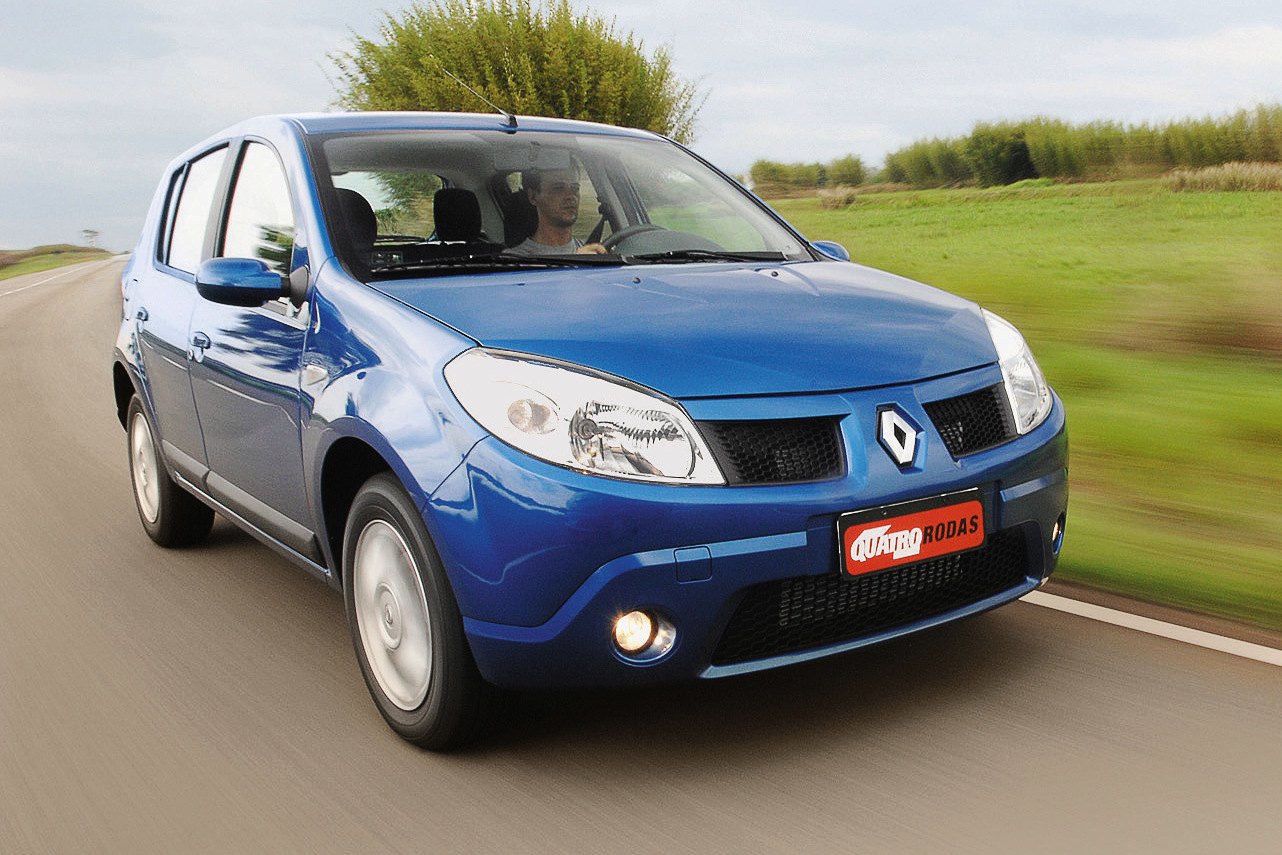
Os primeiros Sandero e Logan (de 2006 a 2013) usaram apenas motores Renault: o 1.6 8V Hi-Power e o 1.6 16V (único disponível no Duster). É preciso cuidado especial com o estado da correia dentada e de seu tensionador: caso ela se rompa, os danos nas válvulas vão exigir retífica do cabeçote. O problema pode ocorrer tanto no 1.6 16V (pelo ângulo de trabalho das válvulas) como no 1.6 8V Hi-Power (pela taxa de compressão mais alta). Chiados estranhos indicam o problema, que pode estar nas polias.
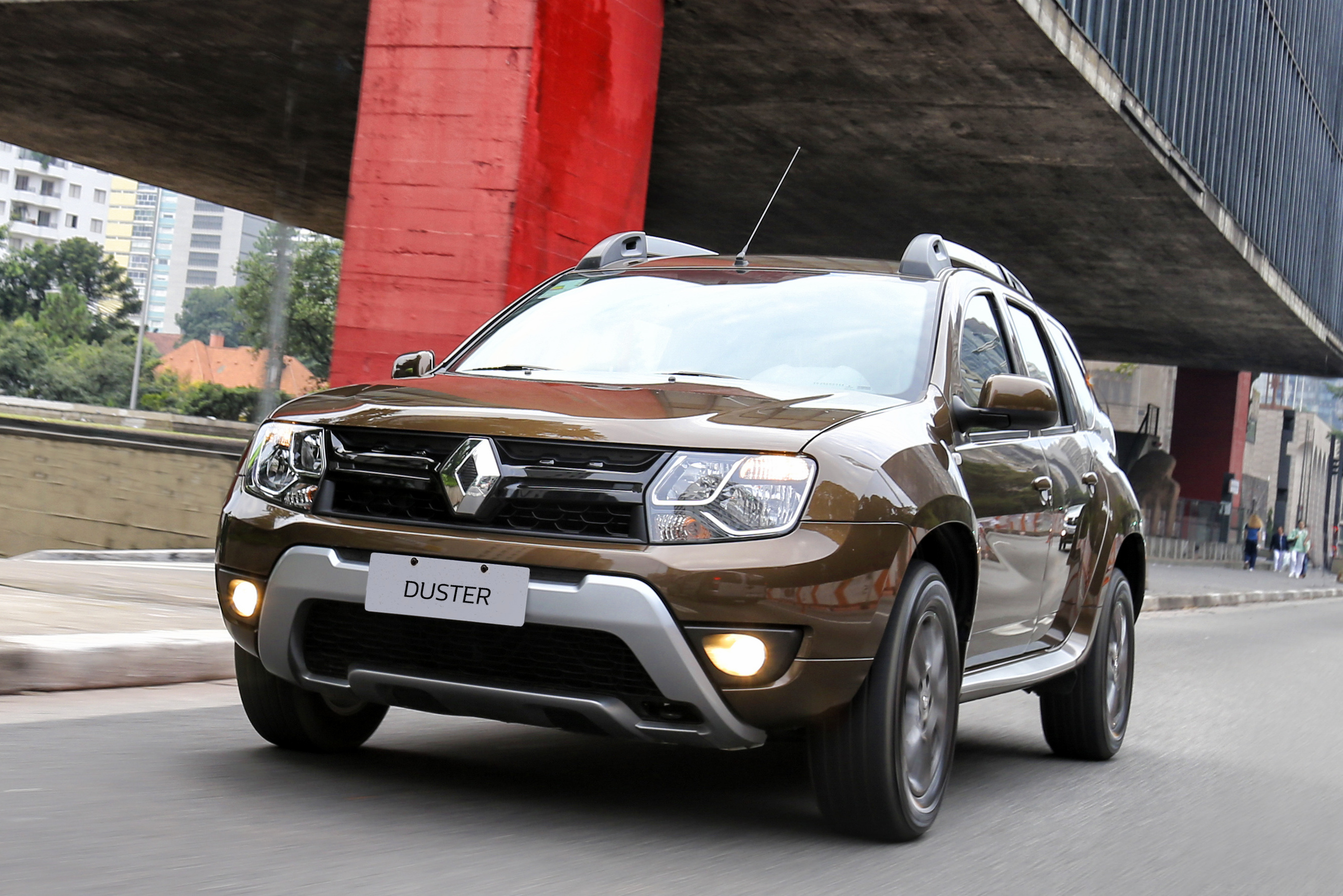
Na compra, atenção ao engate das marchas, que tem que ser suave e preciso ou é provável que os coxins da transmissão estão rompidos. Barulho ao rodar é indício de folgas no conjunto de suspensão e direção. É importante pedir a um mecânico para conferir a pressão dos cilindros, devido à carbonização no motor.
Nissan Versa
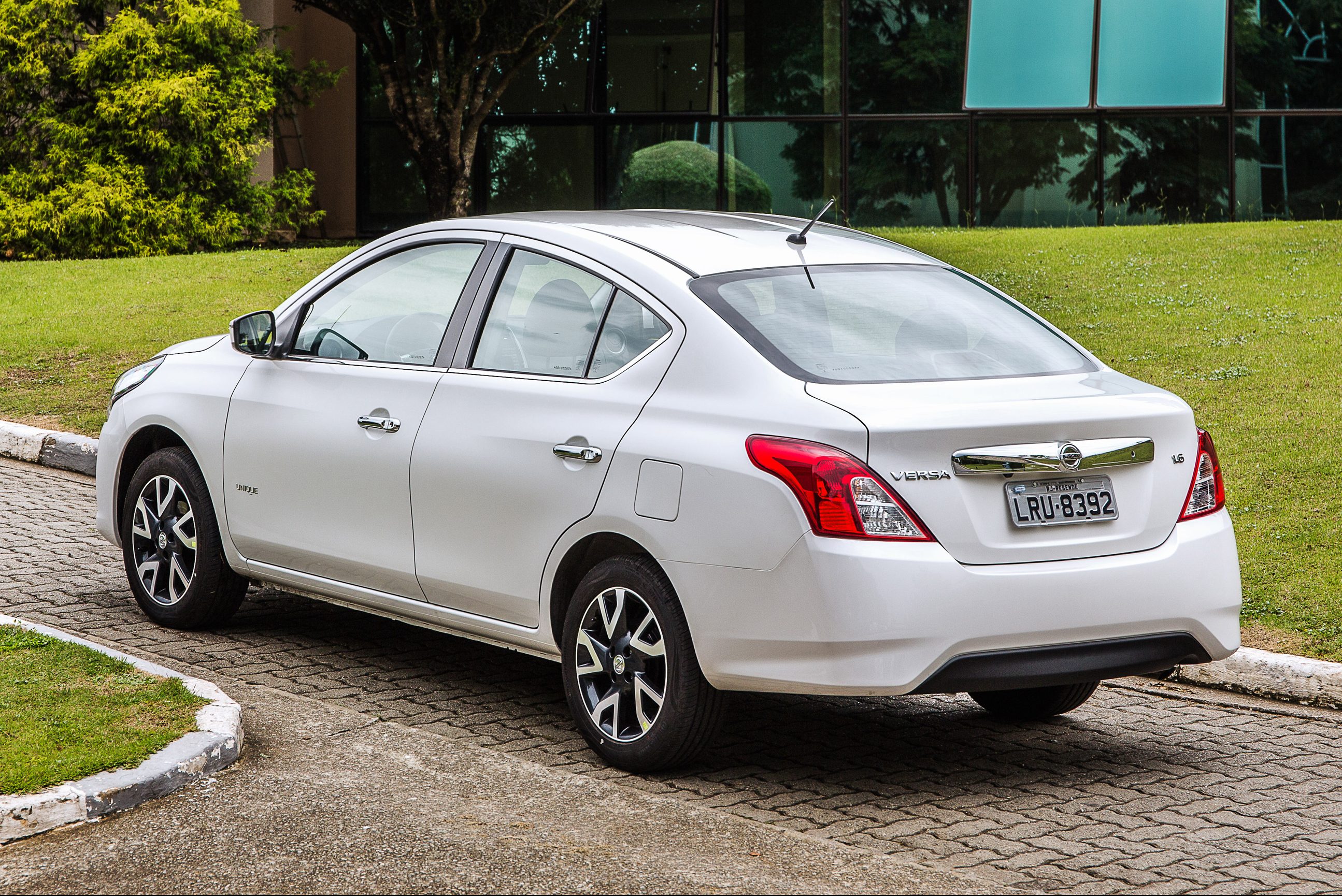
Um bom carro que acabou caindo no gosto dos motoristas de aplicativo e, por isso, é importante estar atento à quilometragem e ao estado de conservação dos Nissan Versa disponíveis. O desgaste da espuma do banco traseiro é o melhor indicador de um passado nos aplicativos de transporte.
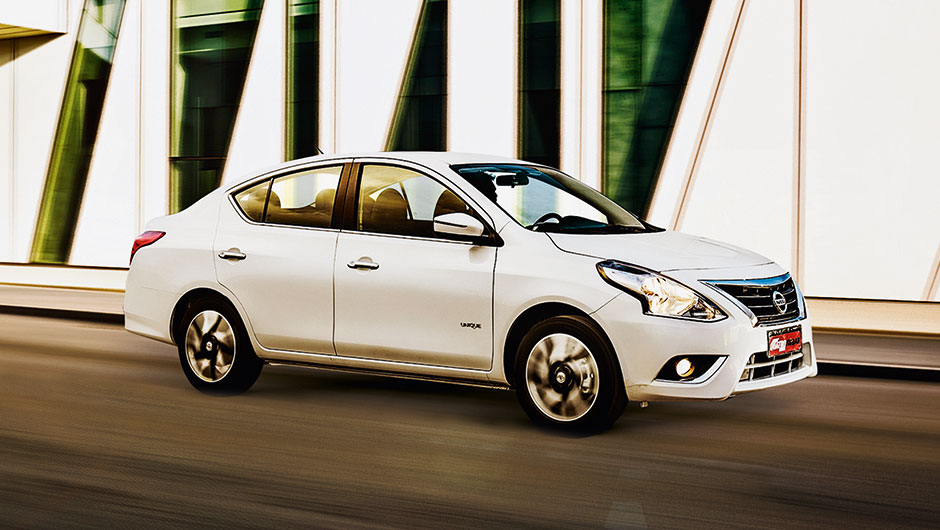
Um problema crônico e já abordado na seção Autodefesa é o desgaste do revestimento do volante. Atente a trepidações nas arrancadas (indício de desgaste da embreagem) e ao engate de todas as marchas, especialmente a ré e a quinta: em alguns casos o trambulador pode apresentar problemas. Na suspensão, observe se há vazamentos nos amortecedores e o estado de batentes, buchas e bieletas. Ruídos anormais são indícios de que esses componentes chegaram ao fim da vida.
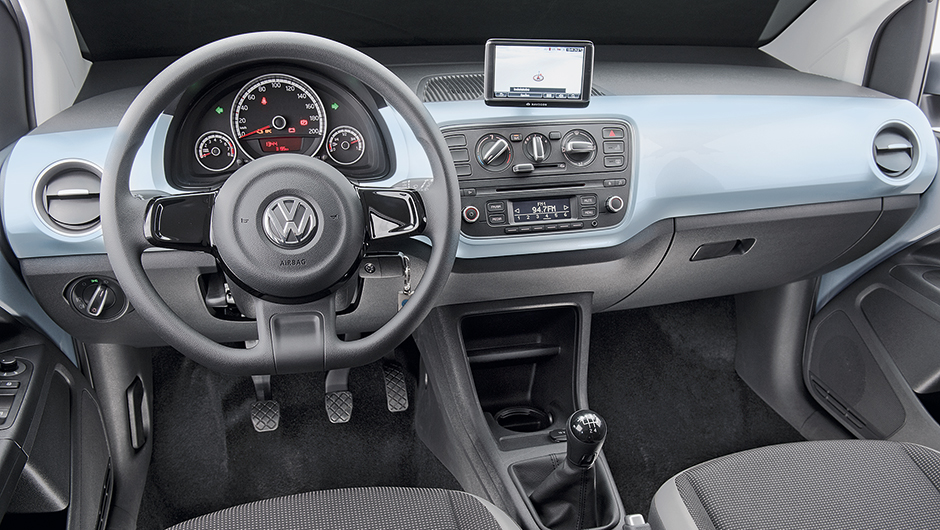
Volkswagen Up!
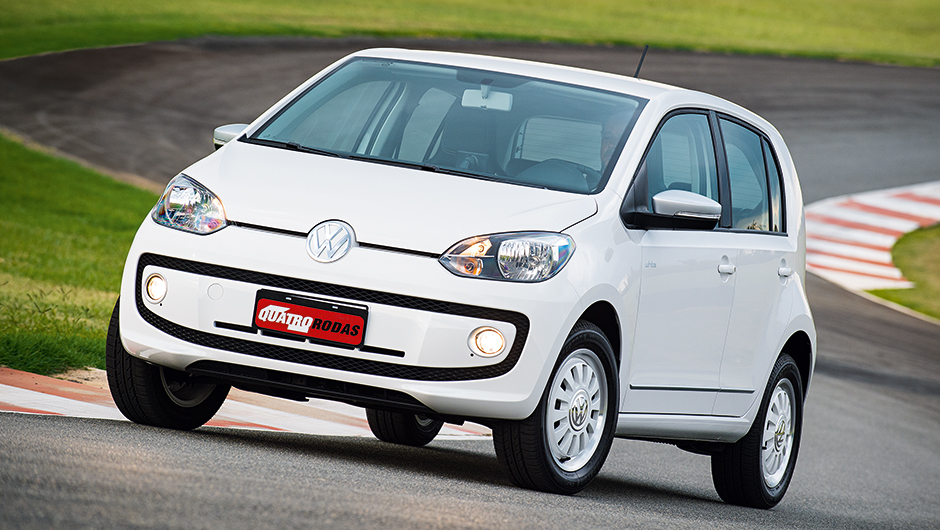
A fama de ser econômico e ter uma estrutura robusta e segura fazem o Volkswagen Up! ser um carro procurado (e valorizado) no mercado de usados. Seu motor três-cilindros 1.0 12V não tem tantos mistérios, pois foi compartilhado com Fox, Gol e segue vivo no Polo.
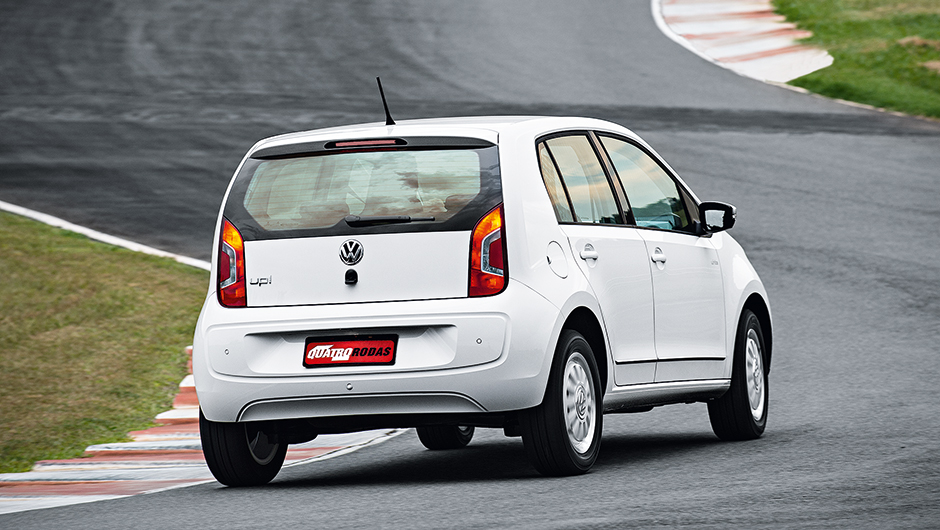
Mas o maior ponto de atenção do Up! está justamente no motor. Uma falha na junta de vedação da bomba d´agua, integrada à carcaça da válvula termostática, causa vazamentos do fluido de arrefecimento. Confira também o estado da correia responsável pelo seu acionamento.
Outro problema crônico em carros com mais de 50.000 km é uma leve trepidação do pedal de embreagem, por falta de lubrificação no eixo que aciona o sistema hidráulico da embreagem. Mas só vale à pena mexer nisso quando for trocar a embreagem. Trepidação nos freios, porém, é indício de empenamento dos discos.
No caso das versões TSI, é importante atentar ao passado do carro. Ele pode ter sido remapeado para ter mais potência. Além disso, os primeiros TSI têm relatos de vazamento de óleo na turbina, devido a uma falha no retentor. O problema já foi relatado na seção Autodefesa. Fuja de turbinas que foram modificadas.
Honda Fit (segunda geração)
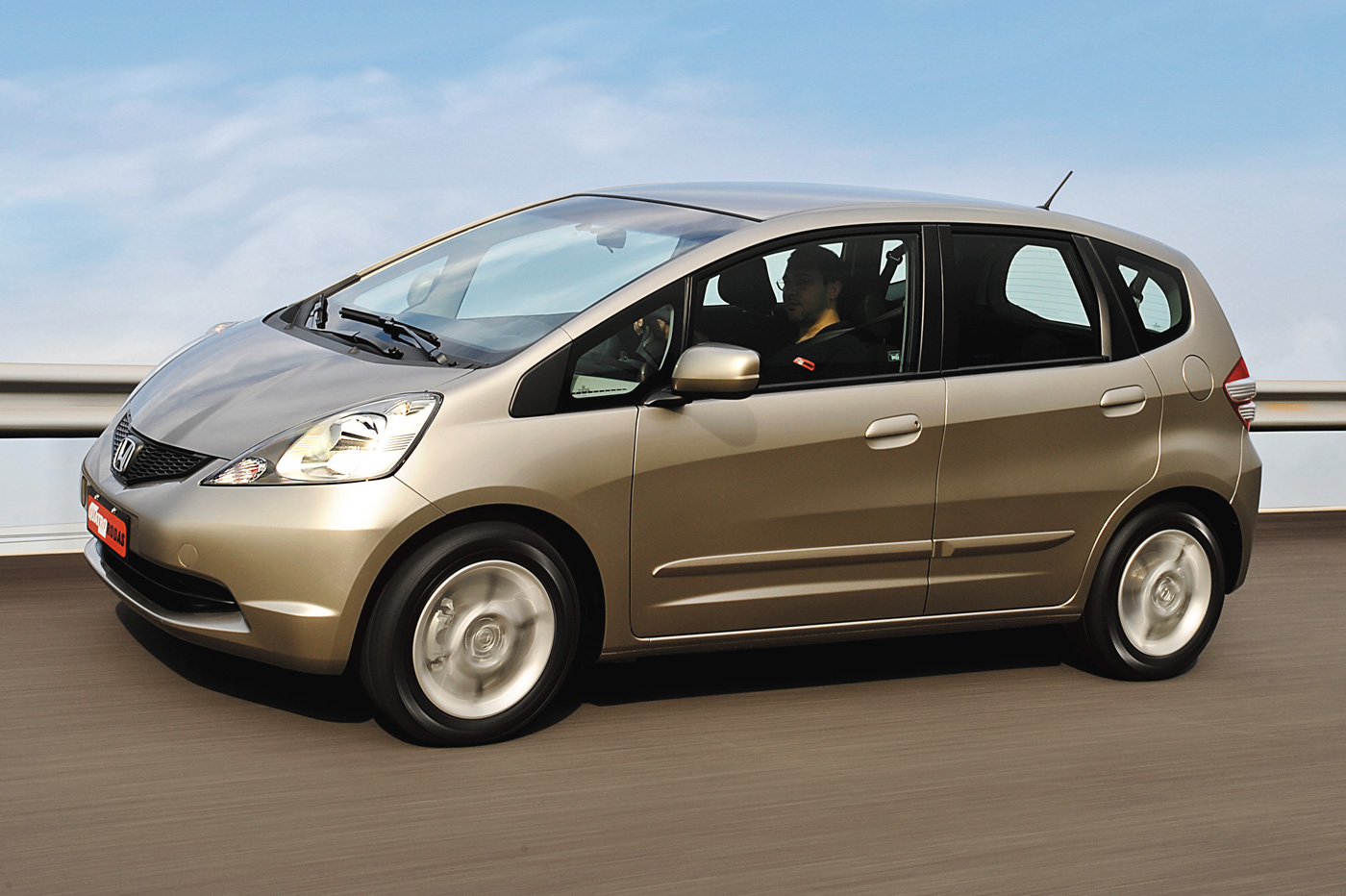
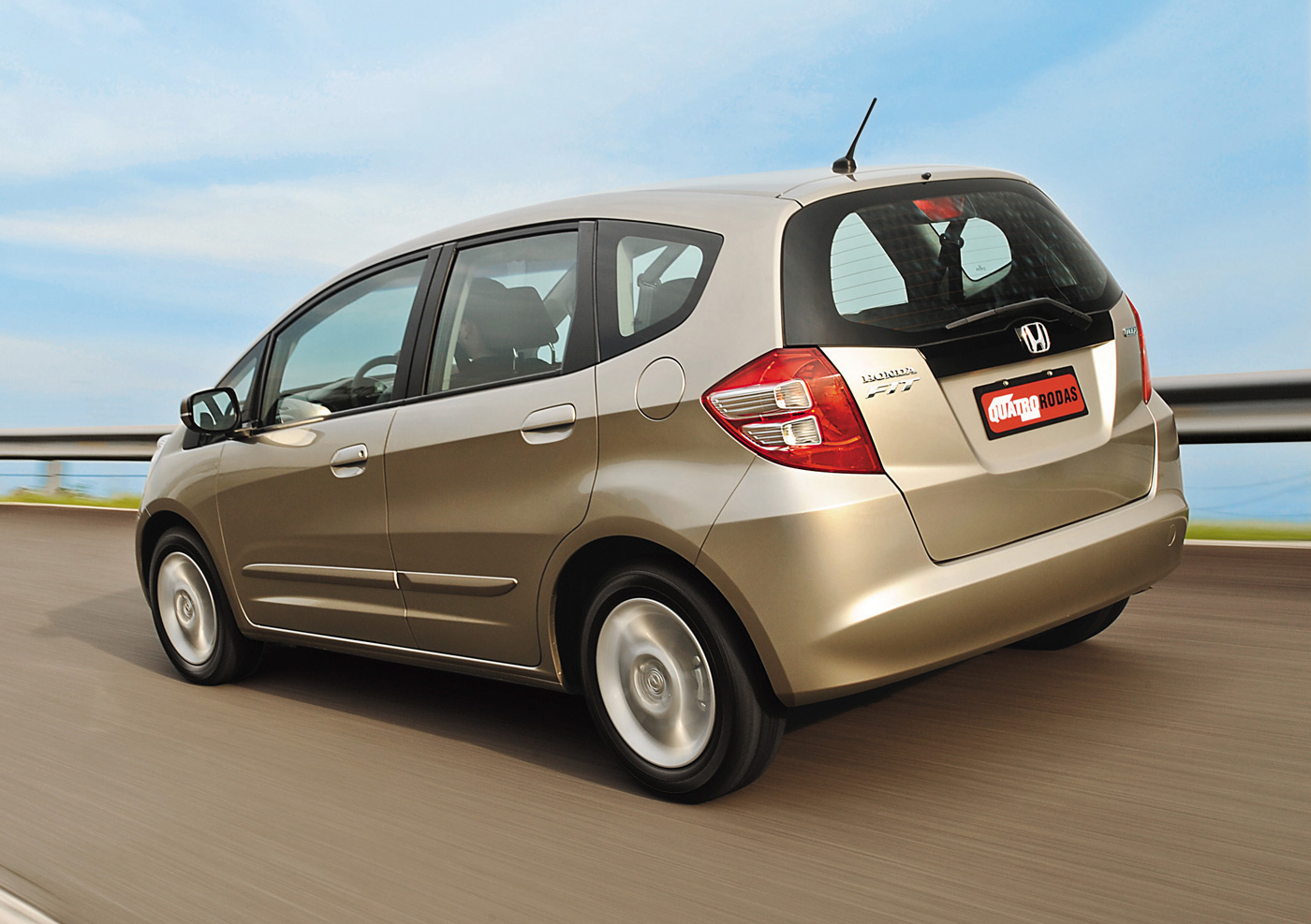
O Honda Fit é daqueles carros que não acabam. Basta ver a quantidade de carros da primeira geração (2003 a 2008) que ainda estão rodando pelo Brasil em excelente estado. Mas vamos nos ater aos carros da segunda geração, fabricados até 2014.
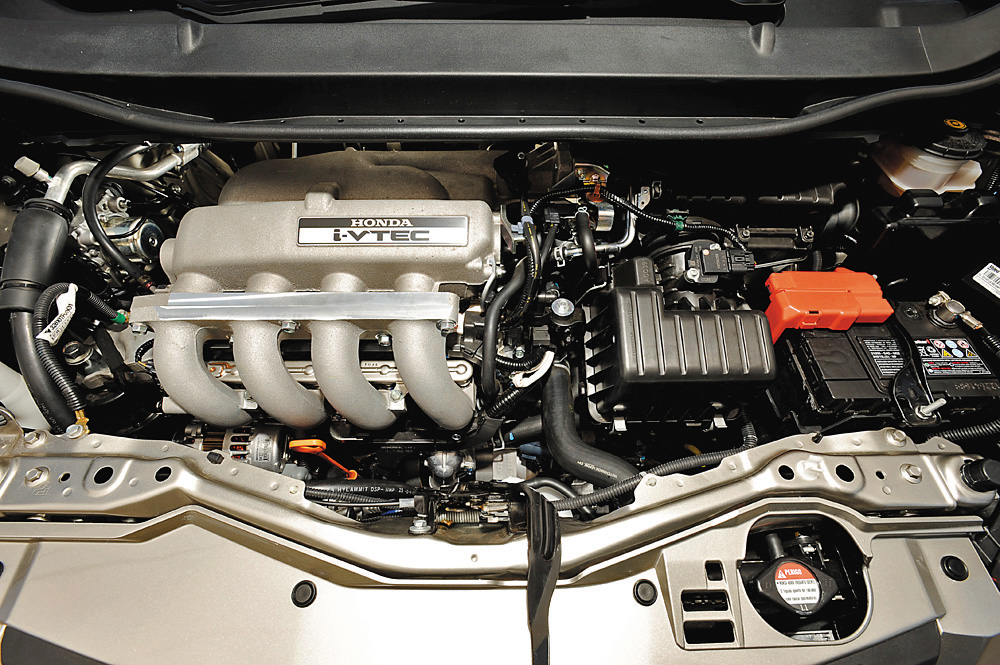
Como na maioria dos japoneses, o Fit usa tuchos sólidos para acionar as válvulas, exigindo atenção especial. Válvulas com folgas irregulares apresentam ruídos e comprometem o consumo e o desempenho. O plano de revisões da Honda contempla ajuste dos tuchos a cada 40.000 km. A troca do óleo do câmbio automático deve ser feita a cada 80.000 km.
Por ser firme e de curso curto, vale a pena conferir o estado da suspensão, especialmente das buchas, batentes e amortecedores, que podem estar sem ação e ter vazamentos.